


THE FAMILY HISTORY OF MASTERY OF AN ART
THE FAMILY HISTORY OF MASTERY OF AN ART
In Confituras Tradicionales We are heirs to a legacy. Today we are in the Region of Murcia, but our history is rooted in France, land of jams and gastronomic traditions, where our parents learned a trade and a tradition. A trade that we perpetuate today with the utmost responsibility and pride.
Jam as a cultural phenomenon
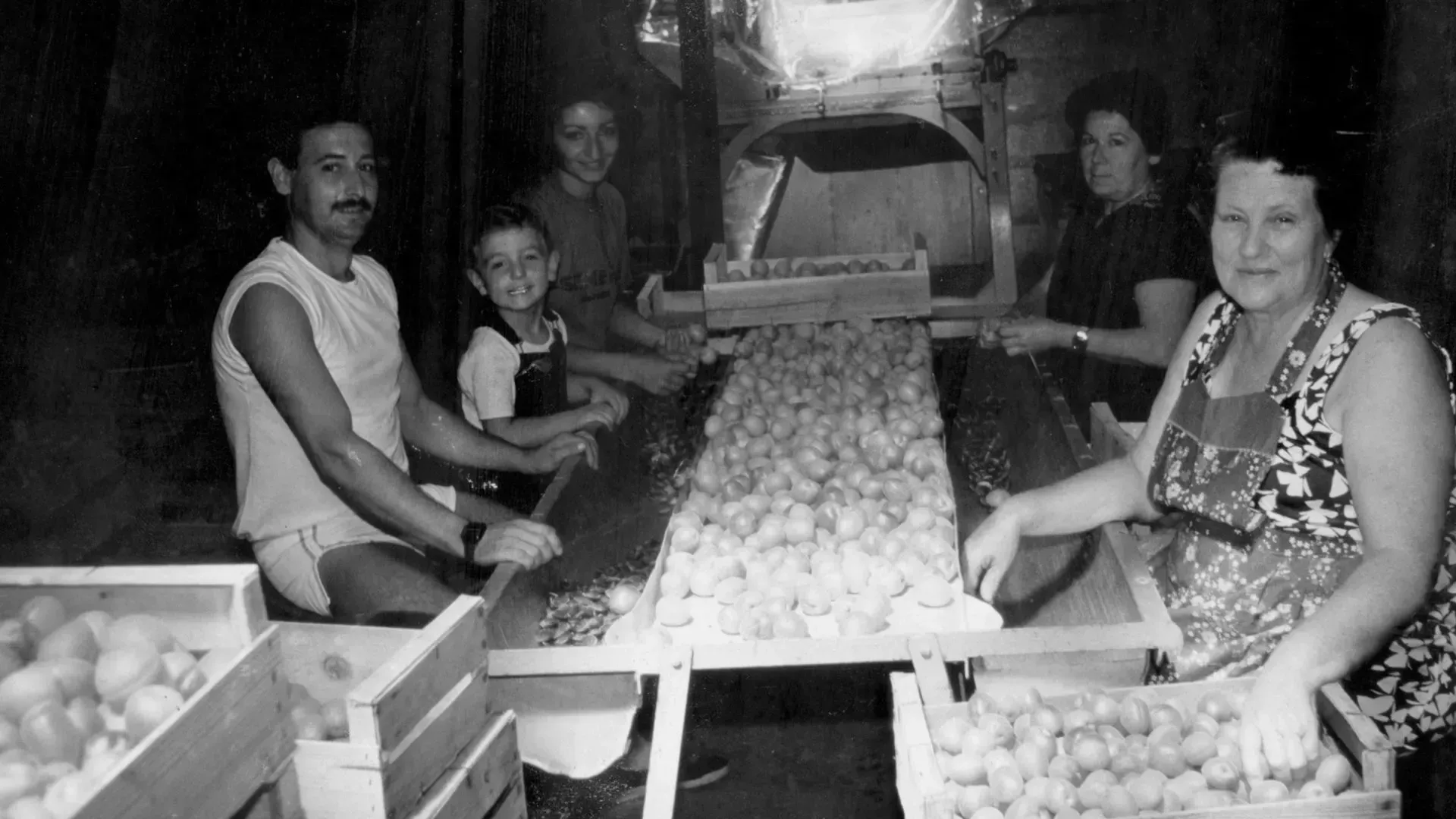
The story of Confituras Tradicionales It is the story of a family saga where jam is ingrained in their DNA. Today, the company is run by Francisco José and Mari-Paz Fernández, children of a married couple of artisan immigrants who learned their craft and traditions in the sunny Provençal lands of southern France from the Octave masters, founders of the legendary Maison Octave.
For this reason, we always say that we are second and a half generation. In our artisan family tree, we have the couple of artisans who taught our parents and introduced them to the wonderful world of jam making.
The pride of a legacy
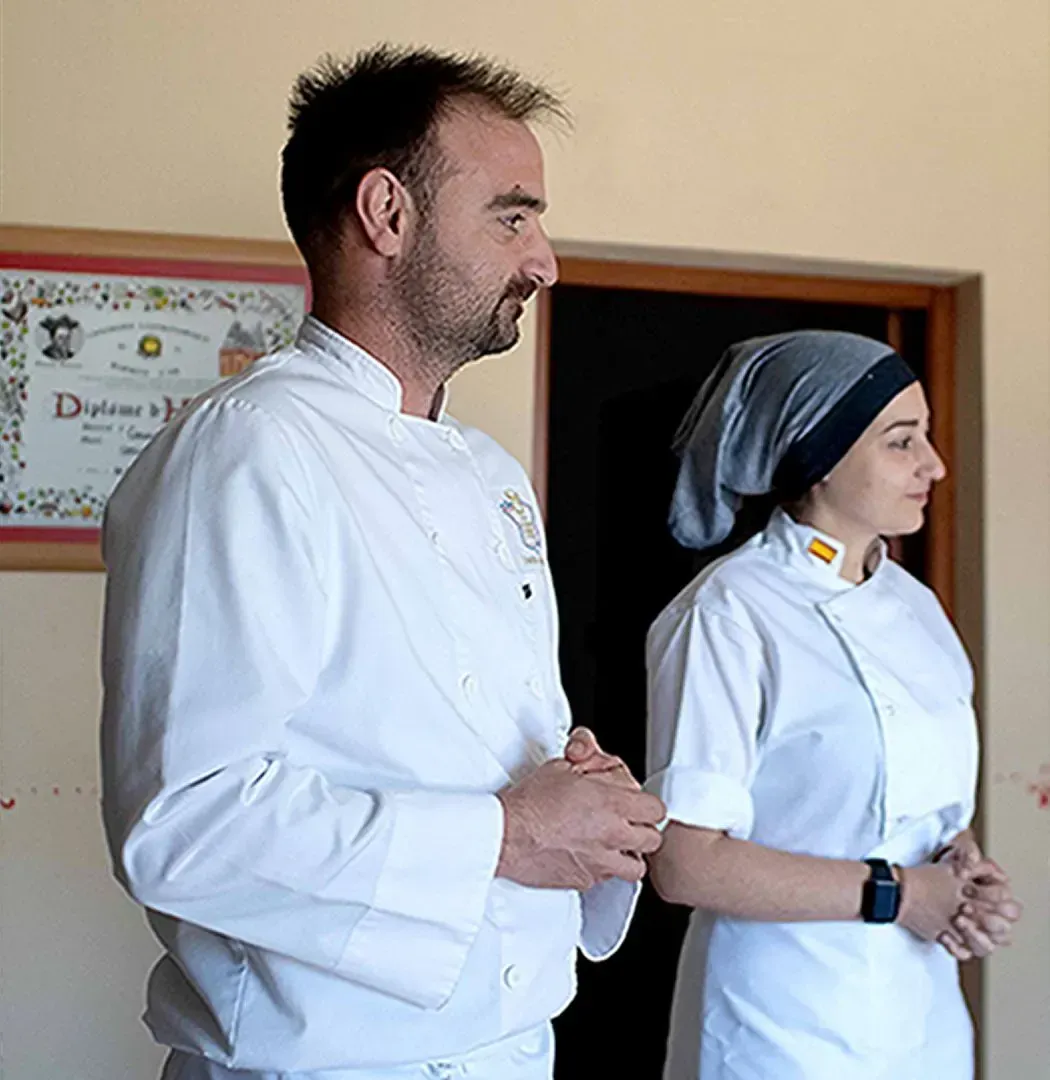
Following the generational handover in the 1980s, when our parents passed the torch to the artisans who taught them the trade, 2021 saw the next generation take its turn: ours. We chose the beautiful path of continuity, with the utmost admiration and profound respect for the culture of jam making: a legacy we champion with immense pride.
With one foot in France, where we were raised and educated, and the other in Spain, where our roots and our heart are, we perpetuate the inherited techniques every day: for us, it is a cultural responsibility to perpetuate the excellence of true marmalade.
We owed it to ourselves, to the culture of hard work that has been passed down to us, to bring our artisanal jams, and with them a little piece of our history, to every palate that seeks a product like those of yesteryear. A product that is becoming increasingly difficult to find.